✨ New Arrivals Just Dropped!Explore
PIPER SUDANGRASS
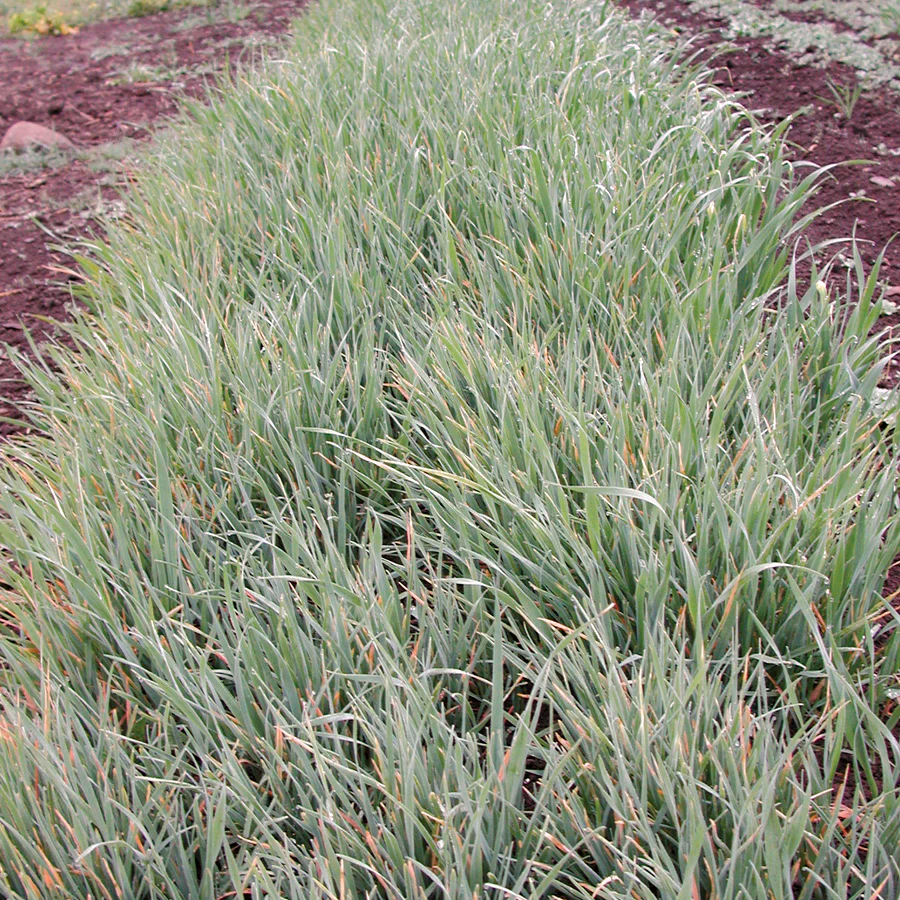
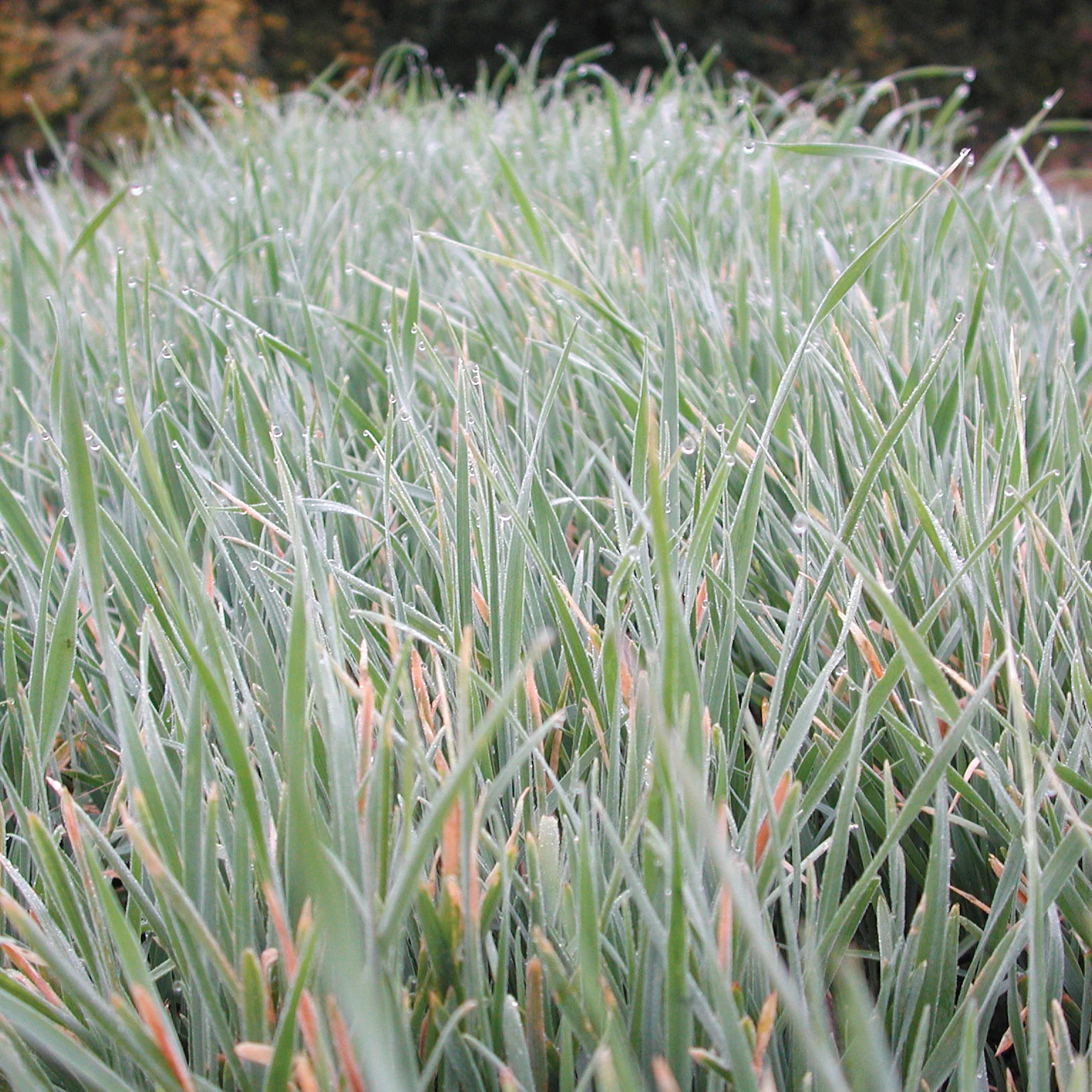
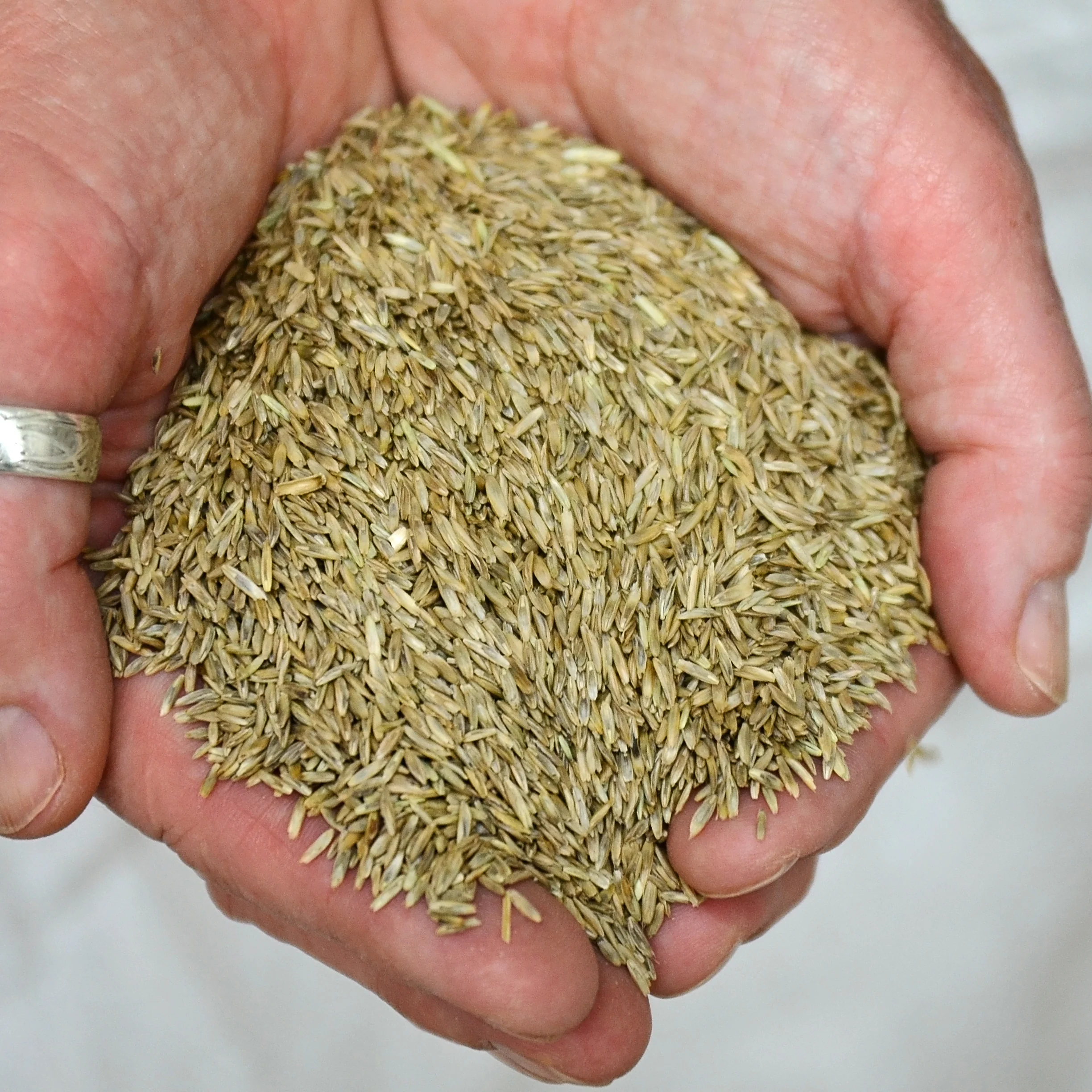
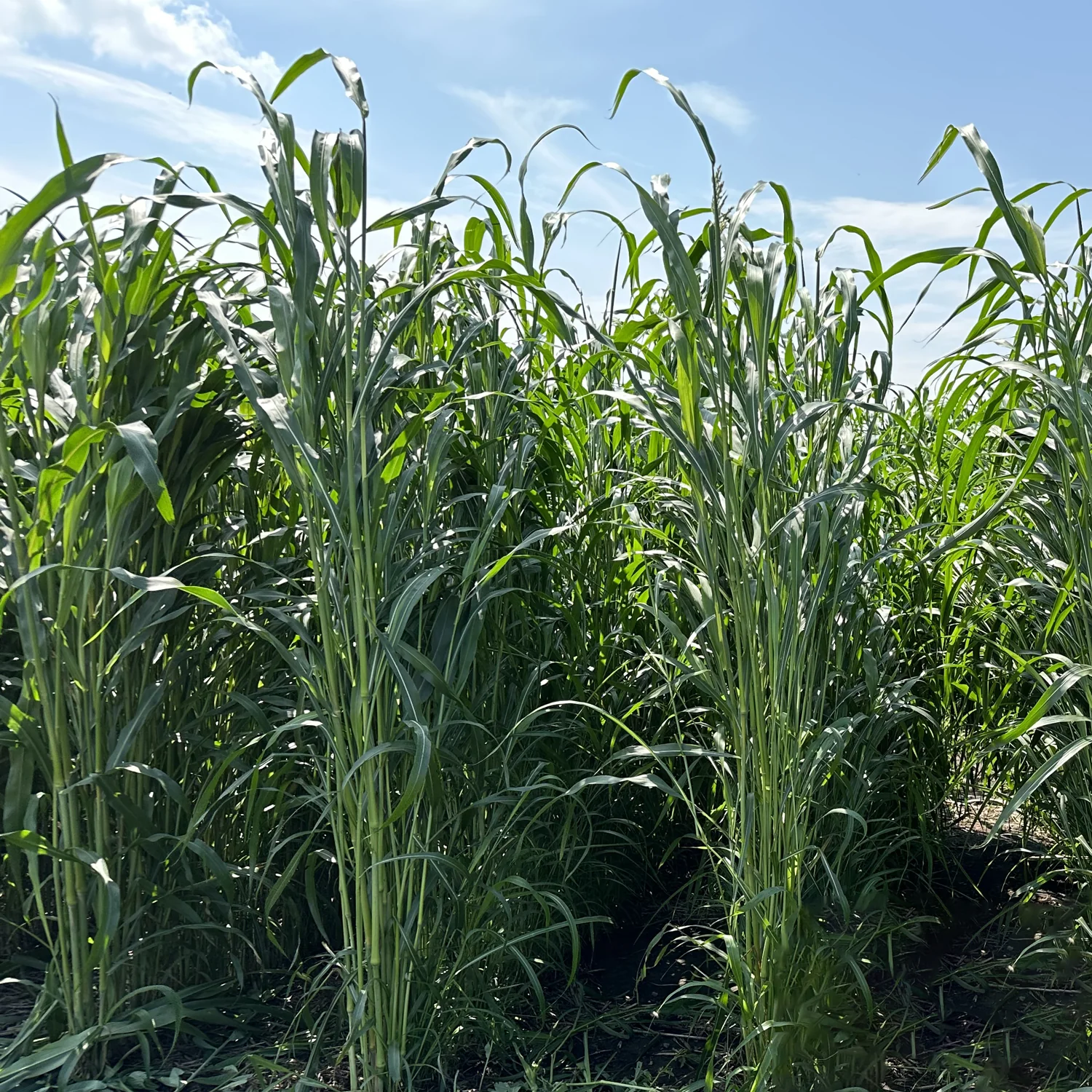
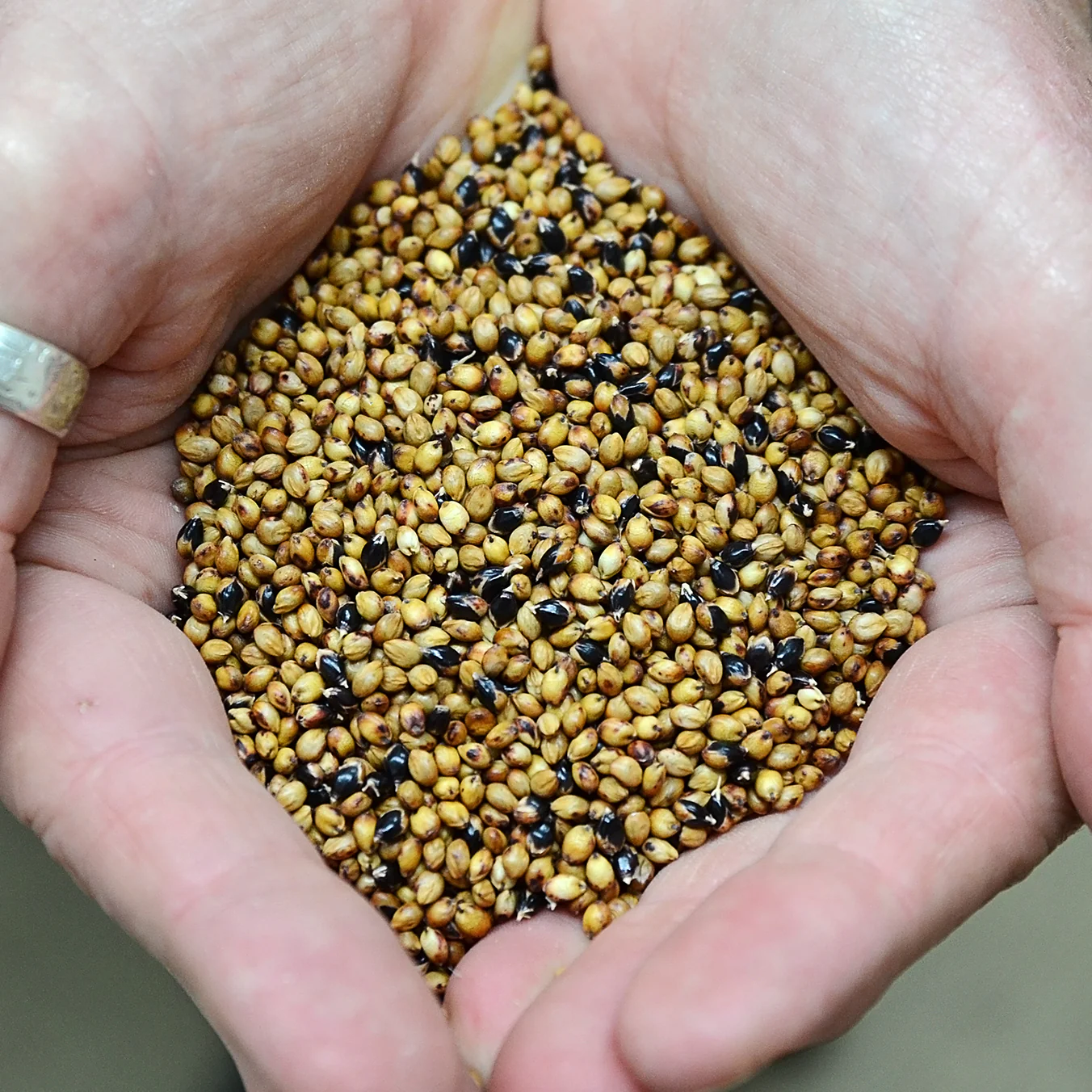
Sorghum bicolor ssp. Drummondii This fast-growing, very vigorous, warm-season grass produces an enormous amount of biomass, loosens hard soil, and suppresses weeds. Reaching heights up to 7 feet tall, this prolific grass can be grown as a green manure and as a natural weed-suppressing mulch when cut and laid down. Piper Sudangrass is drought resistant and prized for its rapid growth. A valuable forage crop, it can be grazed, cut for a fine hay or made into silage. When mown down to 6-8 inches, it can be cut several times in one season to produce multiple crops of hay. This variety has been used as a natural soil fumigant by tilling it into the soil immediately after cutting or frost-kill. The decomposing grass releases compounds that are toxic to nematodes, especially root-knot nematodes, reducing their populations in the soil. It is therefore valuable for both intercropping and crop rotation. Please note: Piper Sudangrass contains low amounts of prussic acid, a compound that can be toxic to animals and should be grazed only when it is taller than 18 inches and never after a frost. It is also not suitable to use as feed for horses. Seeding rate: 1-2 pounds per 1000 square feet; 30-50 pounds per acre.
Select Type
Select Size
From $9.85
PIPER SUDANGRASS—
$9.85
Description
Sorghum bicolor ssp. Drummondii This fast-growing, very vigorous, warm-season grass produces an enormous amount of biomass, loosens hard soil, and suppresses weeds. Reaching heights up to 7 feet tall, this prolific grass can be grown as a green manure and as a natural weed-suppressing mulch when cut and laid down. Piper Sudangrass is drought resistant and prized for its rapid growth. A valuable forage crop, it can be grazed, cut for a fine hay or made into silage. When mown down to 6-8 inches, it can be cut several times in one season to produce multiple crops of hay. This variety has been used as a natural soil fumigant by tilling it into the soil immediately after cutting or frost-kill. The decomposing grass releases compounds that are toxic to nematodes, especially root-knot nematodes, reducing their populations in the soil. It is therefore valuable for both intercropping and crop rotation. Please note: Piper Sudangrass contains low amounts of prussic acid, a compound that can be toxic to animals and should be grazed only when it is taller than 18 inches and never after a frost. It is also not suitable to use as feed for horses. Seeding rate: 1-2 pounds per 1000 square feet; 30-50 pounds per acre.